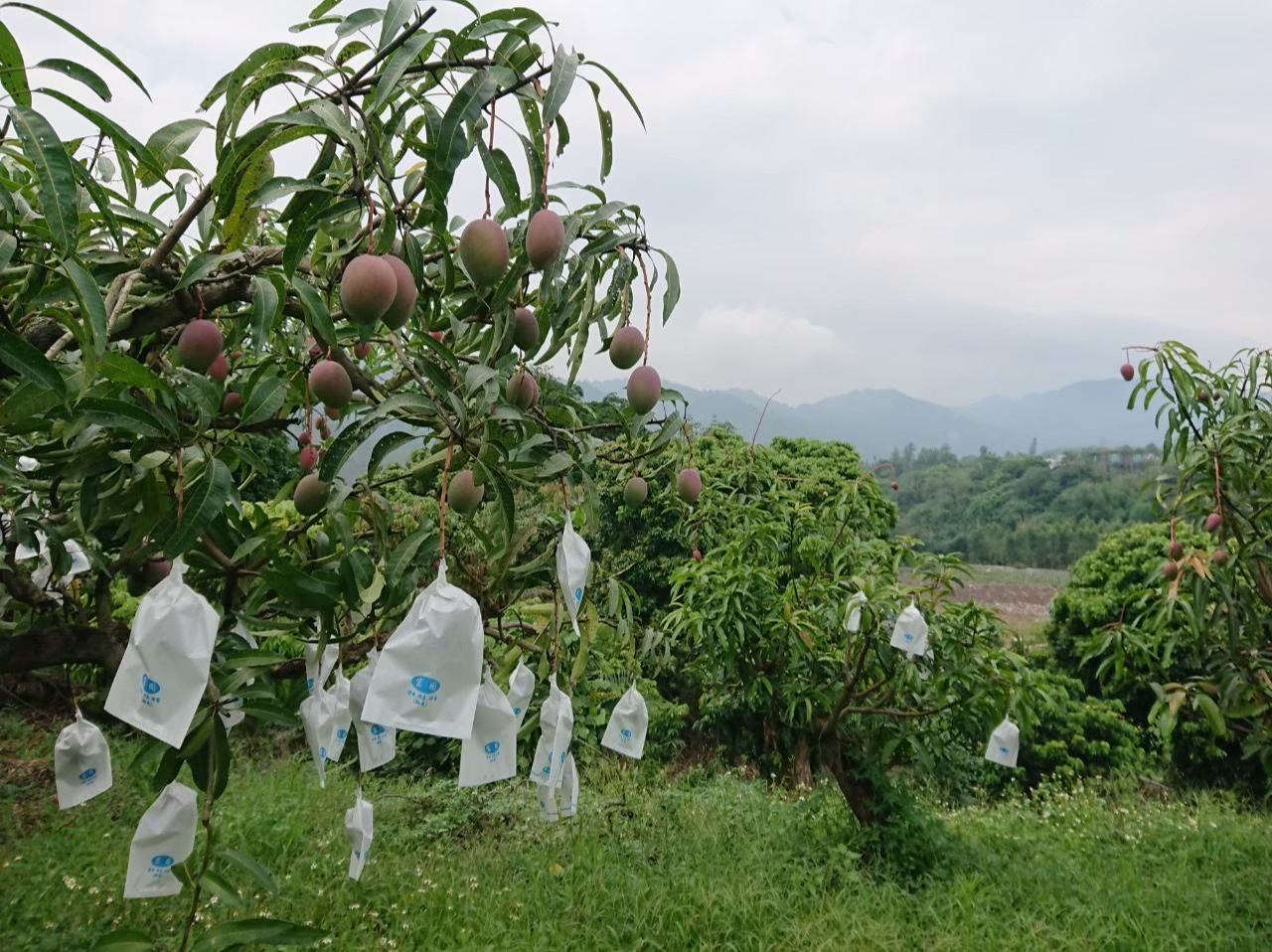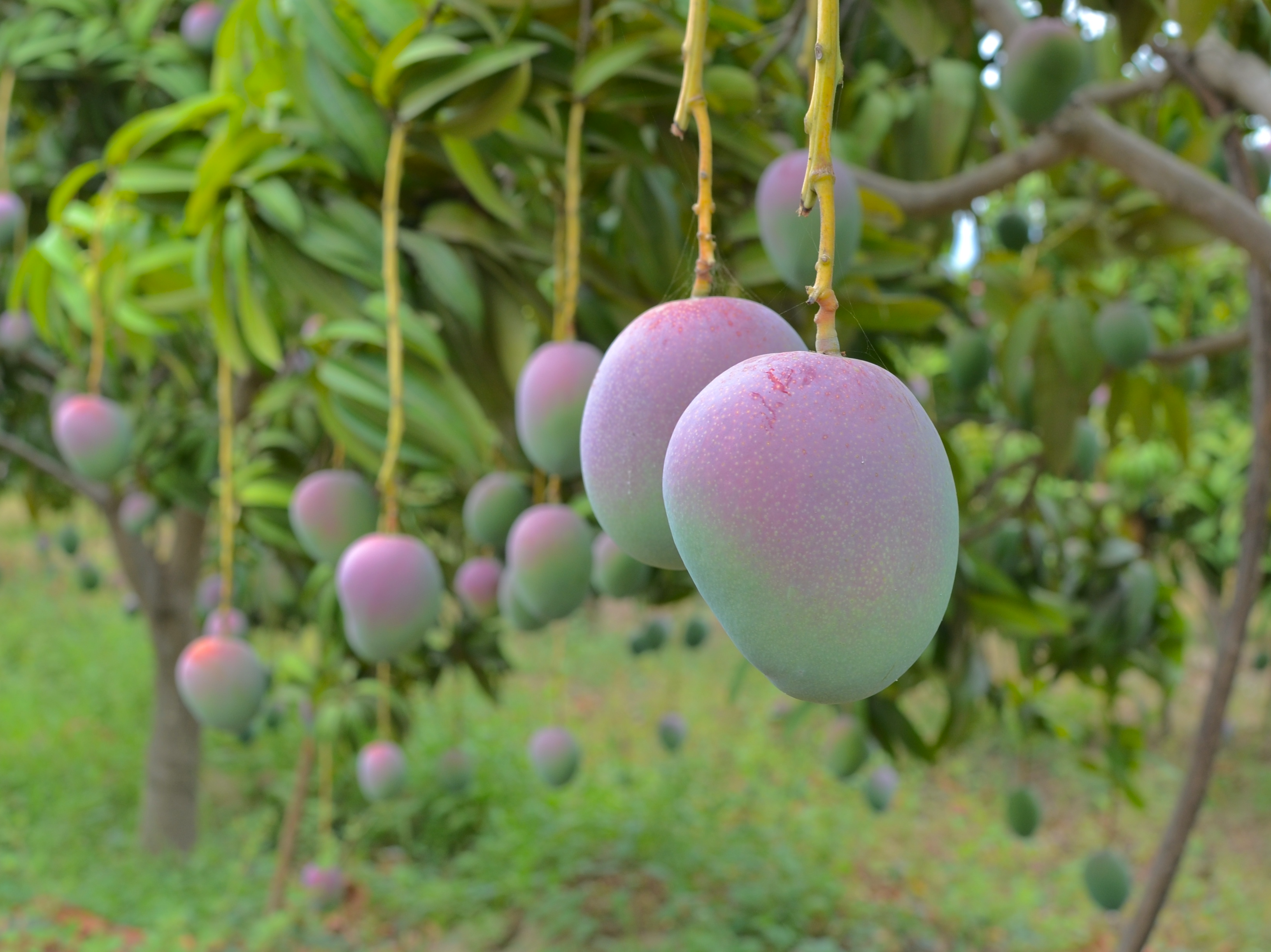
Gracias Mango
View Detail

The mango is a tropical fruit belonging to the Anacardiaceae family (Mangifera genus), native to regions ranging from India to Southeast Asia.
It is said that there are over 800 to 1,000 varieties and strains worldwide, with diverse mangoes cultivated in different regions.
Mangoes have a long history. Records show that Emperor Akbar of the Mughal Empire had 100,000 mango trees planted in Darbhanga, in eastern India.
Mango cultivation during this era became the foundation for several varieties that later spread around the world.
From the 16th century onward, Portuguese traders introduced mangoes to many regions:
• Islands of the Indian Ocean
• Coastal Africa
• Brazil and Mexico around the 1700s
• The West Indies in the mid-18th century
• Hawaii around 1800
• Florida in the early 19th century
• Australia around 1870
Through the Age of Exploration, mangoes spread globally.
In each region, new varieties were born from introduced seeds, resulting in the wide diversity of shapes, colors, and flavors enjoyed today.
Mangoes are broadly classified into two groups:
• Indian type: Characterized by reddish skin, adapted to subtropical dry regions with hot summers and cooler winters
• Southeast Asian type: Often yellow or green-skinned, adapted to hot and humid tropical climates
Thus, mangoes have evolved into fruits with distinct regional characteristics, shaped by local climates and cultures.


The first mangoes commercially imported into Japan are believed to have come from the Philippines.
Imports expanded in the 1970s, thanks to geographic proximity, air transportation, and relatively affordable prices.
At that time, mangoes were rare tropical fruits in Japan and regarded as luxury items.
Because the Philippines had already established agricultural trade with Japan, mangoes gradually entered the market following bananas and pineapples.
Philippine mangoes became widely known as “Pelican Mangoes”, a name that remains familiar in Japan.
Around the same time, Mexican mangoes also entered the market.
Their reddish skin reminded consumers of Japanese apples such as Kōgyoku and Starking, leading to the name “Apple Mango.”
These nicknames played an important role in helping mangoes gain popularity and familiarity in Japan.


Loved for its rich sweetness and fragrant aroma, mango is not only delicious but also rich in nutrients beneficial for beauty and health.
1. Beta-carotene for eyes and skin
Mangoes are rich in beta-carotene, which converts into vitamin A in the body, supporting vision, skin health, and immune function.
2. Vitamin C for recovery and radiant skin
Containing over 20 mg of vitamin C per 100 g, mangoes help prevent oxidative damage, support collagen production, and boost immunity.
3. Dietary fiber for digestive health
Mangoes provide both soluble and insoluble fiber in good balance, supporting intestinal health and regular digestion.
4. Potassium for reducing swelling
Potassium helps remove excess sodium from the body, contributing to reduced swelling and stable blood pressure.
Mangoes are truly a tropical delight that supports beauty and health from within.
Source: Standard Tables of Food Composition in Japan 2023 (Mango, raw)
Mangoes are climacteric fruits, meaning they continue to ripen after harvest.
Ripening (Room Temperature)
• When ripe: Skin turns deep orange, and the fruit yields slightly when gently pressed
• Environment: Store away from direct sunlight at room temperature (20–25°C)
• To speed up ripening: Place mangoes in a paper bag with apples or bananas
Storage After Ripening
• Once ripe, store gently in the refrigerator’s vegetable drawer
• Shelf life: 2–3 days when refrigerated
• After cutting: Wrap or place in an airtight container; consume within 1–2 days
⚠ Do not refrigerate unripe mangoes, as cold temperatures prevent proper ripening.
Rule: Room temperature before ripening → Refrigerate after ripening

1. Identify the seed
Mangoes have a large, flat seed in the center.
Find the narrower sides of the fruit—this indicates the orientation of the seed.
2. Slice into three parts
Cut vertically along both sides of the seed, about 1 cm away, creating two fleshy halves and one center section with the seed.
3. Make the “hedgehog cut”
Score the flesh of each half in a grid pattern without cutting the skin.
Push the skin upward to fan out the cubes like a flower.
4. Use the center piece
Trim remaining flesh around the seed and enjoy it as slices, or add it to yogurt or smoothies.
Beautifully cut mangoes brighten any table and pair perfectly with ice cream, yogurt, or desserts.
Enjoy mangoes not only by taste—but through the joy of preparation.