Taiwanese Fruits
Taiwan: A Treasure Trove of Tropical Fruits
Taiwan is located in a region spanning from subtropical to tropical climates and is widely known as a treasure trove of tropical fruits.
The first tropical fruit exported from Taiwan to Japan was the banana, with a history dating back to 1894 (Meiji 27).
In Taiwan, many agricultural specialists have been passionately engaged in varietal improvement and research, and the results of these efforts have been passed down to a wide range of fruits, including mangoes.
Although Taiwan is a southern island, it experiences four distinct seasons, and open-field cultivation is the main farming method. As a result, the number of fruits harvested year-round is limited. However, a wide variety of fruits reach their peak in each season, making Taiwanese fruits highly popular among Japanese consumers.
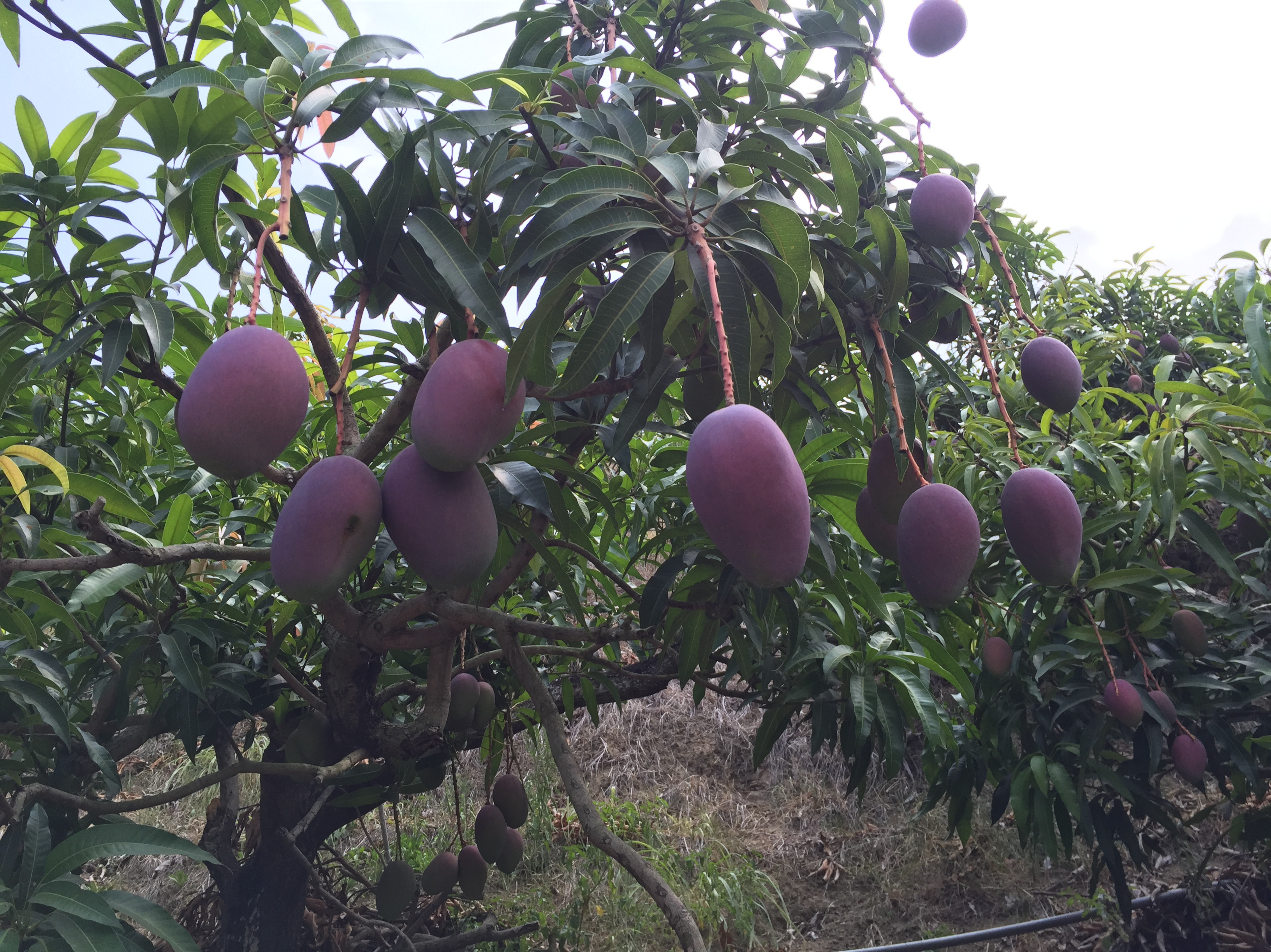
Aiwen Mango (Irwin Variety)
One of the most popular varieties is the Aiwen mango.
This variety accounts for approximately 40% of mango production in Taiwan and is highly regarded in the market for its rich sweetness and abundant juice.
Aiwen mangoes were introduced to Taiwan from Florida, USA, in the 1950s, and full-scale cultivation began in the Yujing area of Tainan City in the 1960s.
From the 1970s onward, the variety spread to Okinawa and Miyazaki Prefecture in Japan, where cultivation expanded domestically. In particular, Irwin mangoes grown in Miyazaki have been branded as “Taiyō no Tamago (Egg of the Sun)”, establishing a strong reputation as a premium mango.
Even though the variety is the same, growing environments differ greatly between Taiwan and Japan.
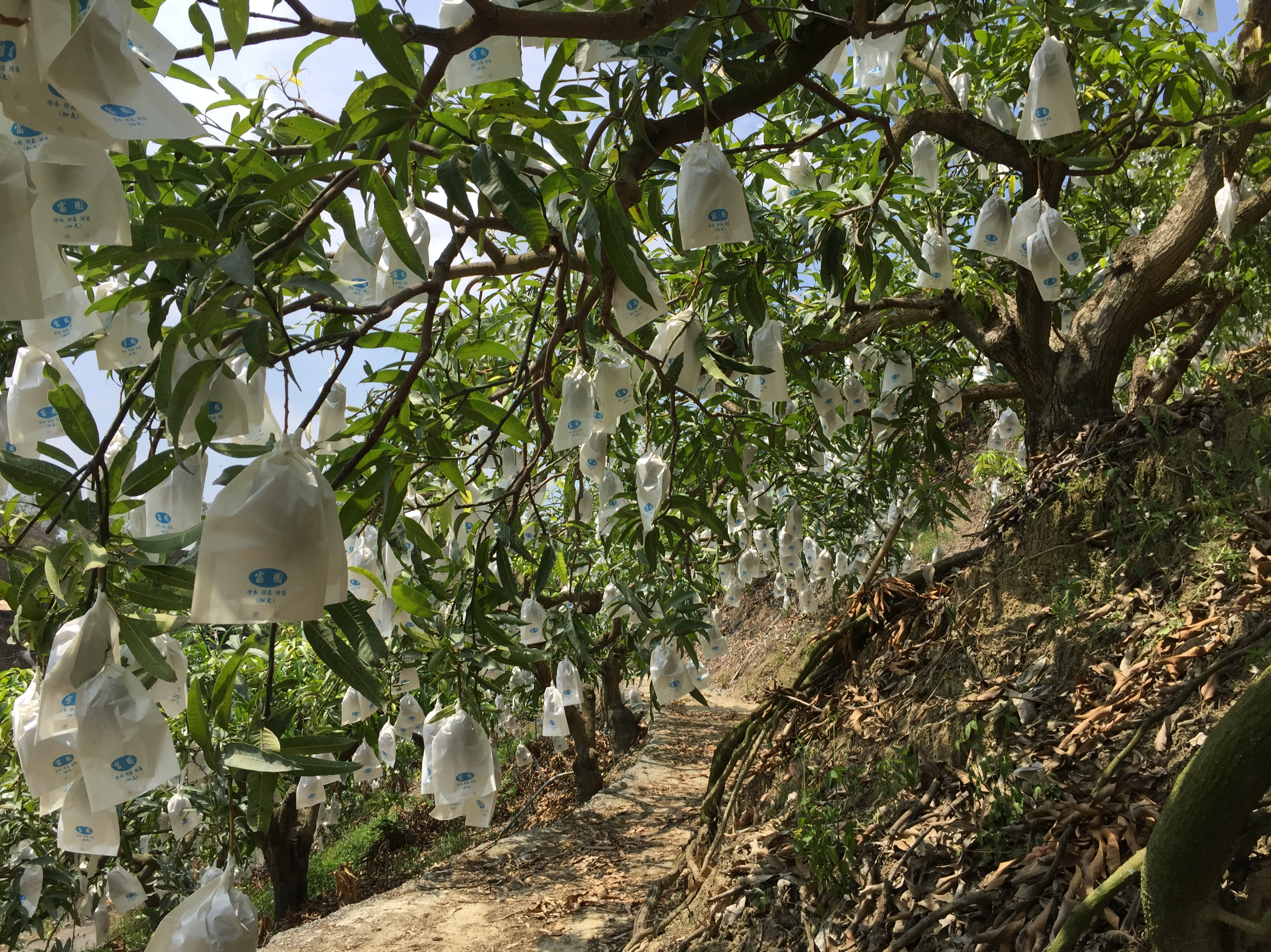
Taiwanese Aiwen mangoes are grown in open fields, receiving abundant sunlight and benefiting fully from natural conditions.
In contrast, mangoes from Miyazaki are primarily greenhouse-grown, with temperature and humidity carefully controlled.
Each environment brings out its own strengths, resulting in high-quality, delicious mangoes that reflect their respective growing conditions.
Pineapples
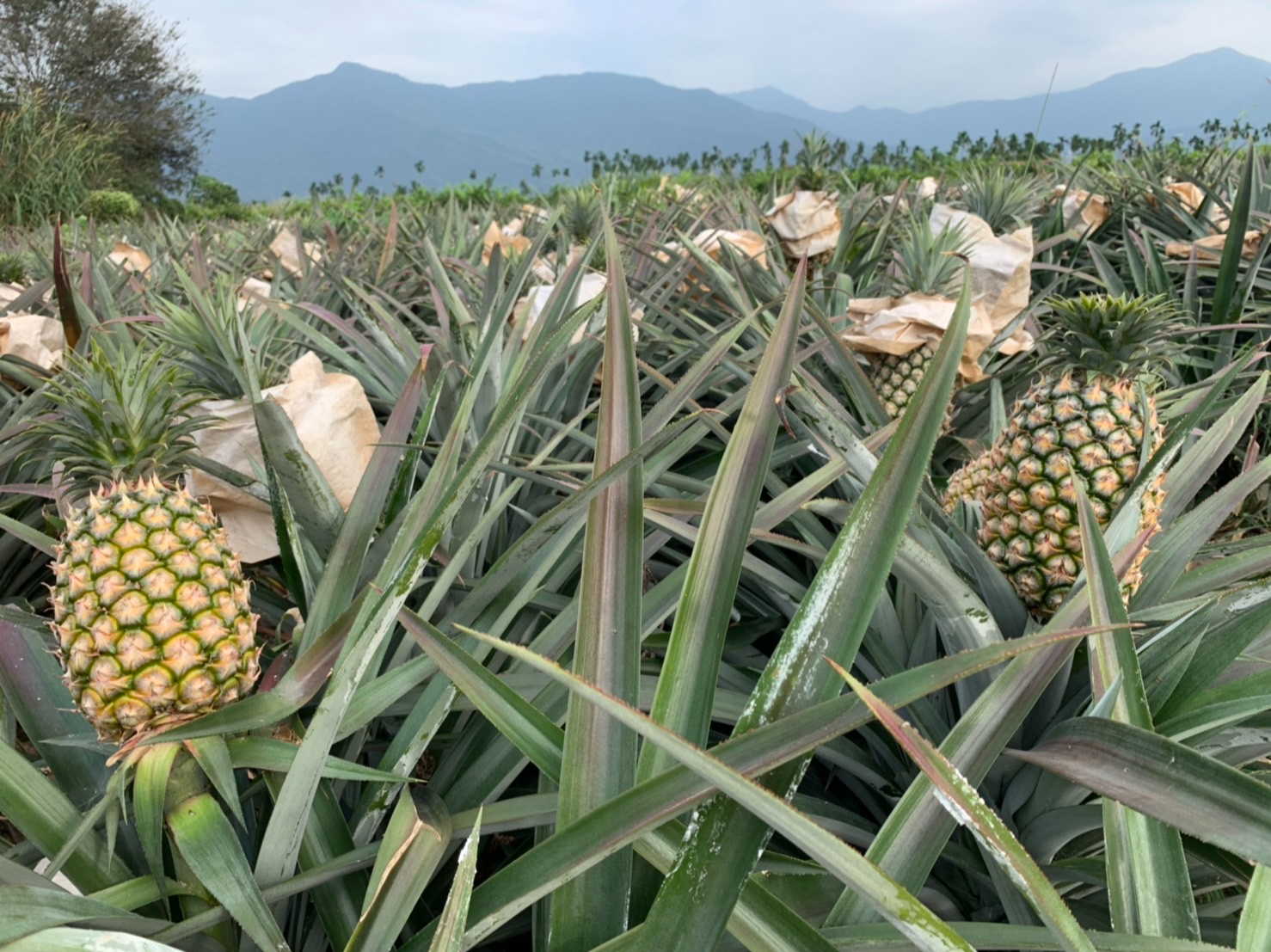
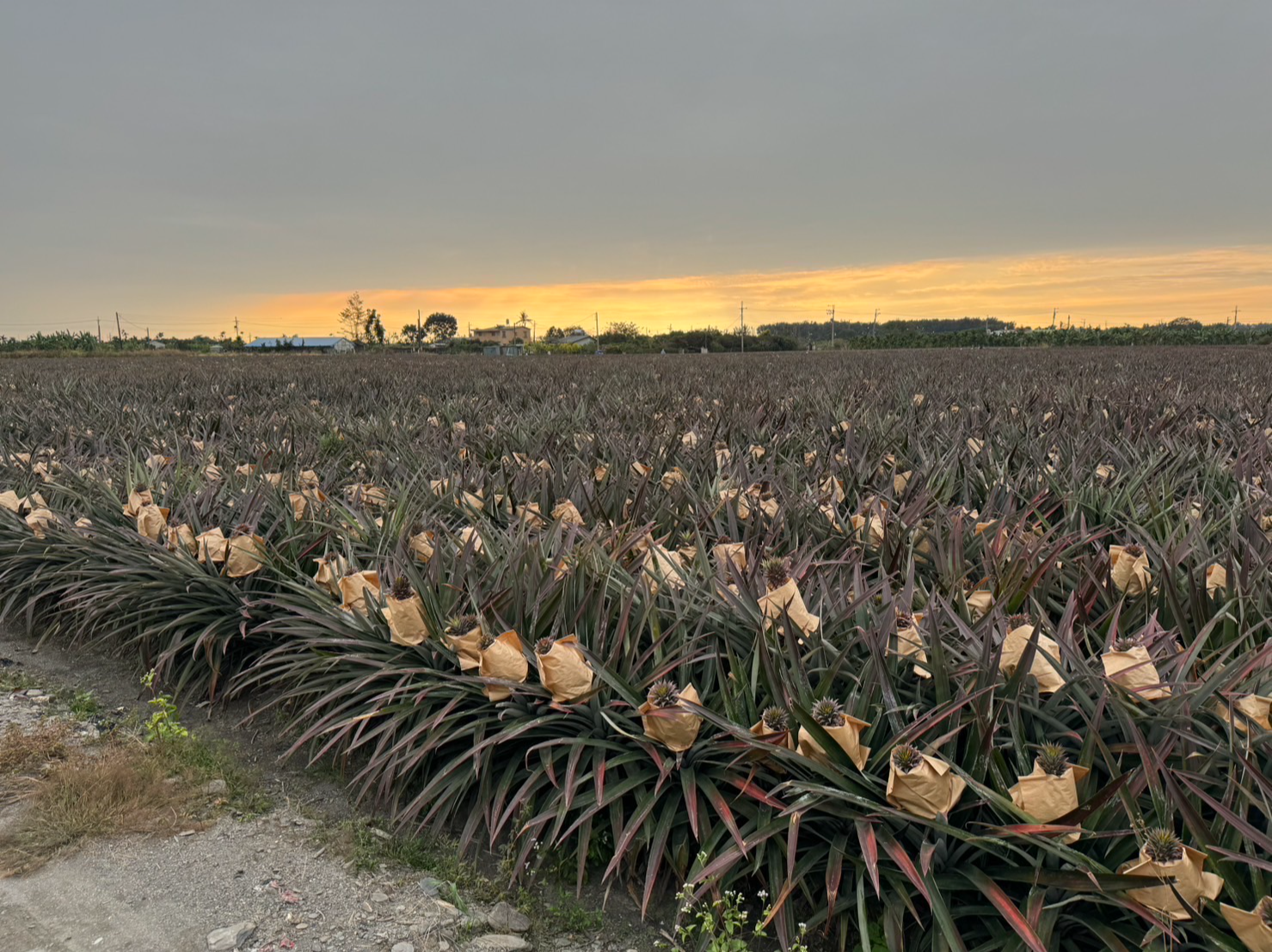
Taiwan is one of the countries with the largest number of pineapple varieties in the world.
Taiwanese pineapples are highly regarded as world-class in quality, featuring sweet and tender flesh combined with juiciness and a well-balanced acidity.
Supported by superior varieties and the advanced cultivation techniques of skilled farmers, pineapple exports from Taiwan have remained strong, making pineapples the leading export fruit of the country.
At its peak in the 1970s, Taiwan surpassed Hawaii to become the world’s largest exporter of canned pineapples.
However, as canned pineapple production declined, the Chiayi Branch of the Agricultural Research Institute shifted its breeding focus in 1974 toward varieties intended for fresh consumption.
As a result of these efforts, Tainung No. 17, commonly known as Golden Diamond Pineapple, was developed and now accounts for approximately 90% of the domestic market in Taiwan.
This variety is characterized by its high sweetness, soft flesh, abundant juice, and edible core, resulting in an exceptionally high edible yield per fruit.
Its ease of consumption and excellent flavor have made it the dominant pineapple variety in Taiwan today.
In addition, small quantities of specialty varieties are exported to the Japanese market, including Mango Pineapple (Tainung No. 23), Milk Pineapple (Tainung No. 20), and Sugarcane Pineapple (Tainung No. 13).
Breeding programs are currently advancing up to Tainung No. 23, and Taiwan continues to pursue further research and development to create even more superior pineapple varieties in the future.
Jujube
Jujube (Natsume) is a fruit tree that has long been cultivated throughout East Asia and China, where it has traditionally been used in herbal medicine.
In Japan, jujubes were once commonly eaten in households, but as domestic agriculture declined, this custom gradually faded.
In recent years, however, jujubes have regained attention as a nutrient-rich superfood.
Globally, many of the jujubes consumed fresh are varieties that have been developed and improved in Taiwan.
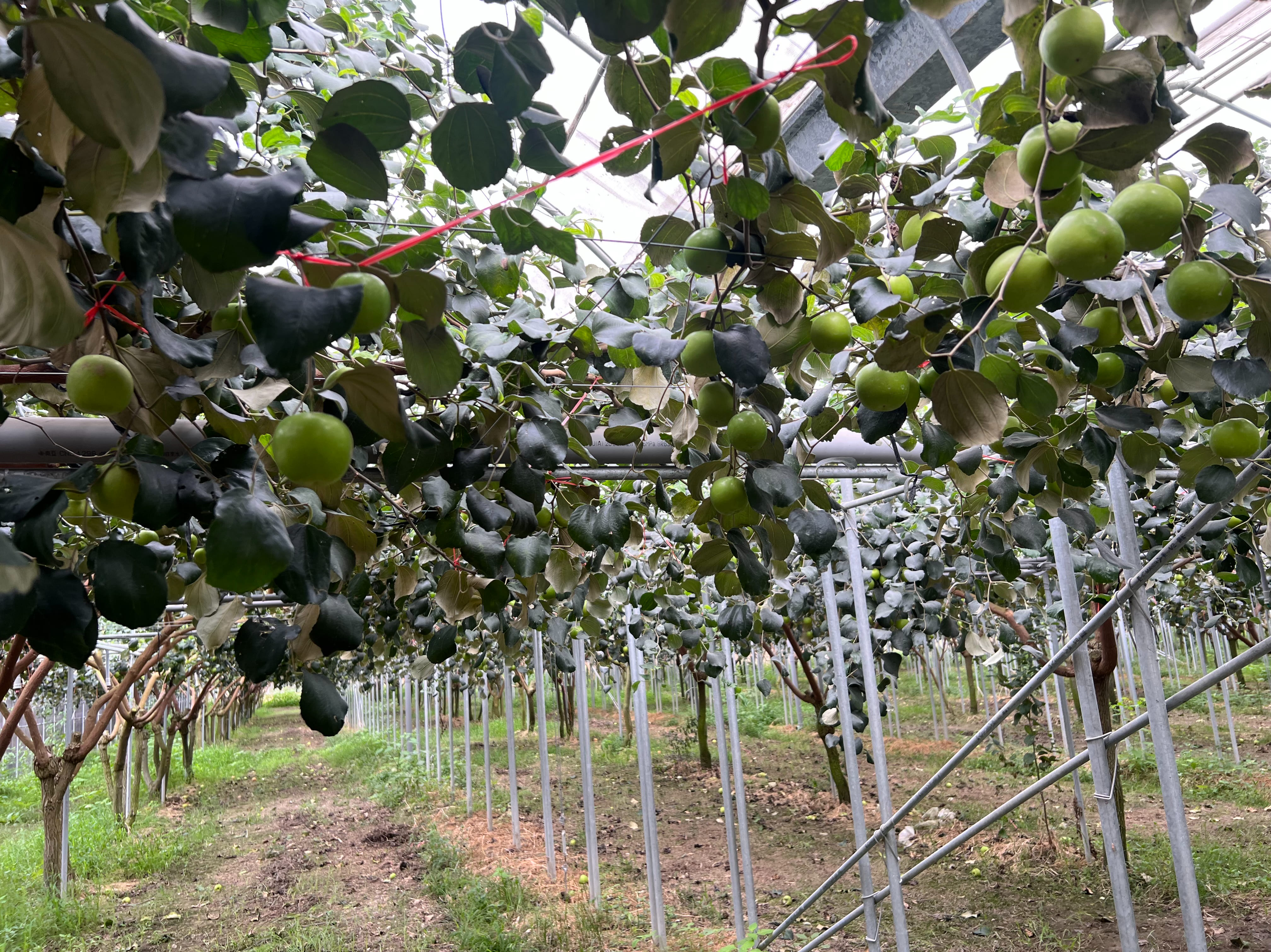
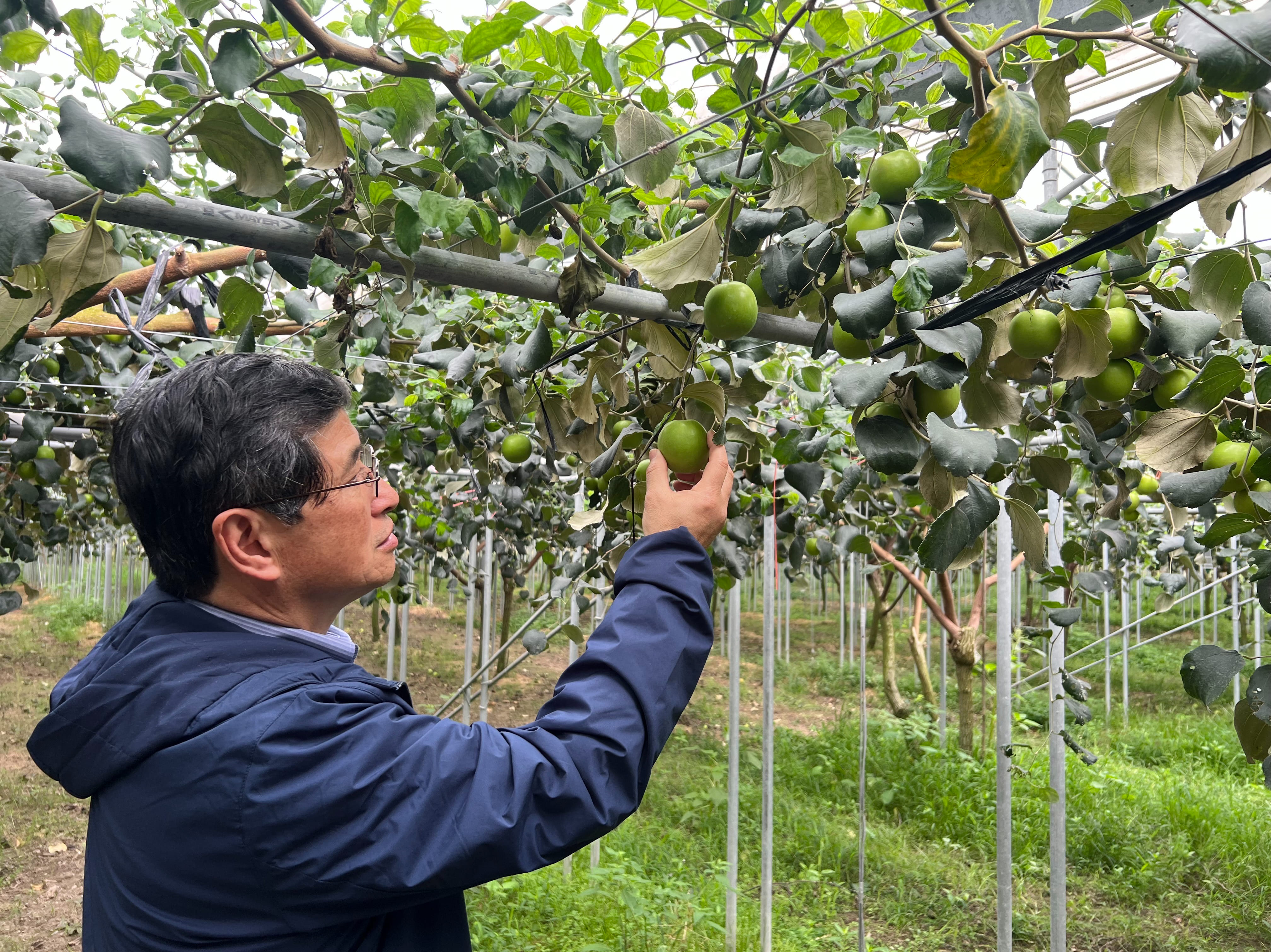
In Taiwan, the primary cultivated variety of Indian jujube is known as “Mi Zao” (Honey Jujube), characterized by its small size and shape resembling a green apple.
Mi Zao features delicate, juicy flesh, with a refined sweetness and refreshing aroma, along with a crisp, crunchy texture.
Because it can be eaten whole with the skin, it is easy to enjoy and is rich in nutrients such as vitamin C.
Today, Mi Zao is highly regarded as a premium fruit in Taiwan and is widely used for gift-giving.
It is also enjoyed as a winter fruit, and there is a traditional custom of eating it during the Lunar New Year to wish for good health and protection from illness.
With its glossy skin shining like emeralds, it is also affectionately known as a “lucky fruit.”
Lychee
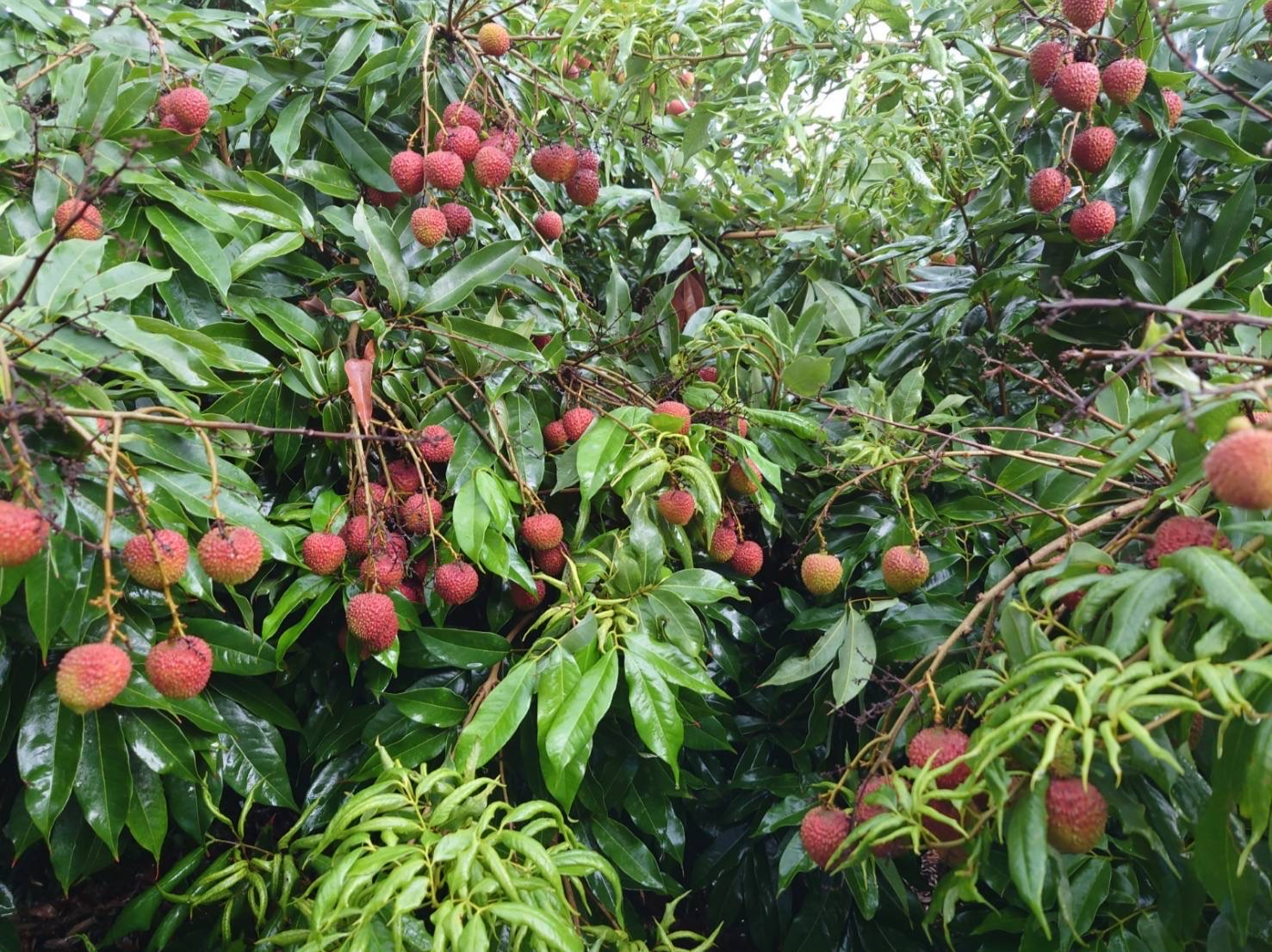
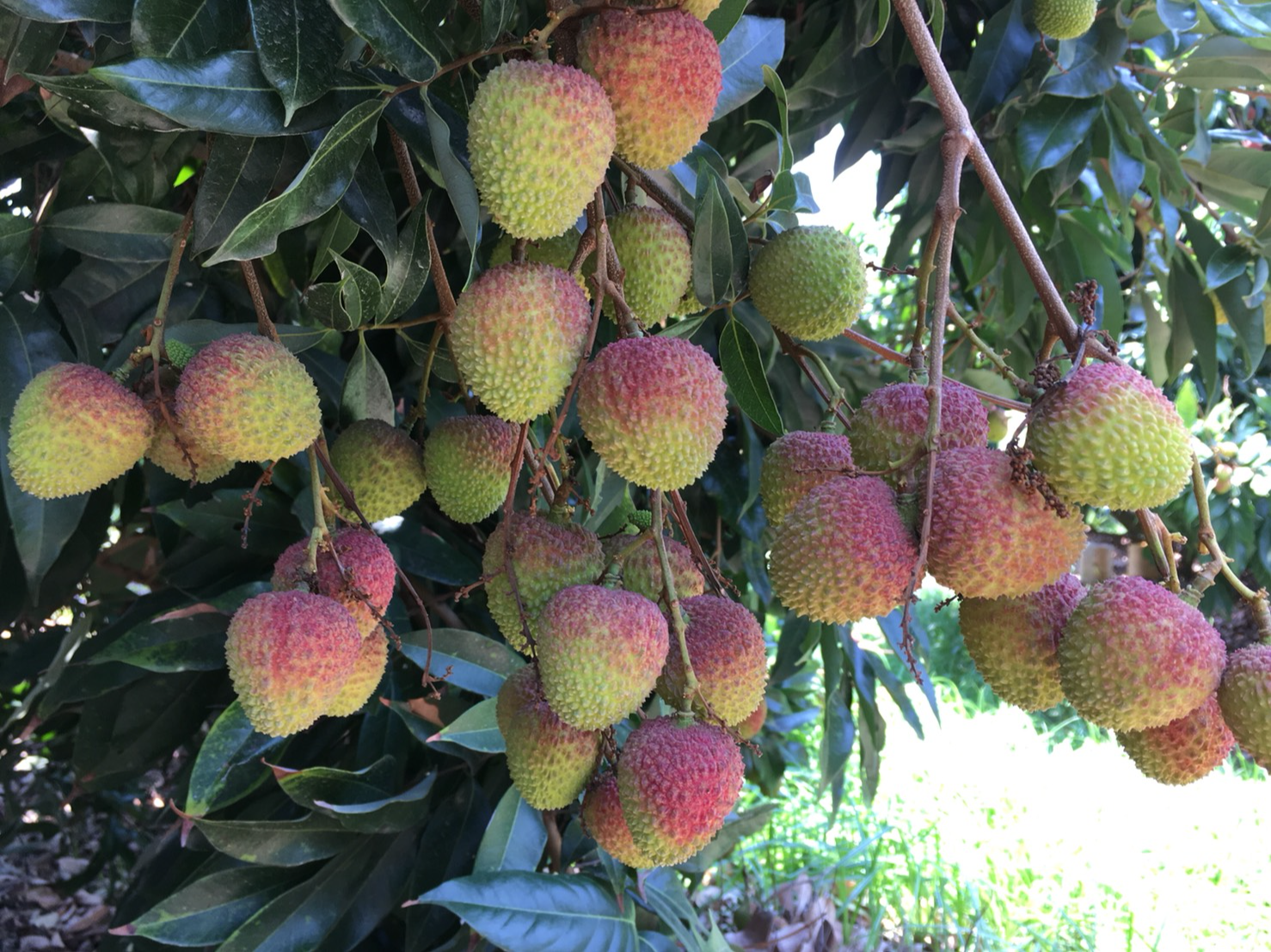
A gift from Taiwan that captures early summer—richly aromatic with meltingly tender flesh.
Taiwanese lychees are widely recognized worldwide for their exceptional quality.
In particular, “Yuhebao” lychees, harvested from May to June, are prized for their intense sweetness, abundant juicy flesh, small seeds, and thick, luscious pulp.
Nurtured by Taiwan’s warm climate and refined through generations of cultivation expertise, these lychees are fragrant and elegant—truly the taste of early summer.
They are air-shipped at peak freshness, earning high praise in Japanese markets and restaurants alike.
The moment the peel is removed, the lychee’s distinctive floral aroma and refreshing juiciness fill the air.
Within each fruit lies the essence of Taiwan’s nature, craftsmanship, and the pride of its growers.
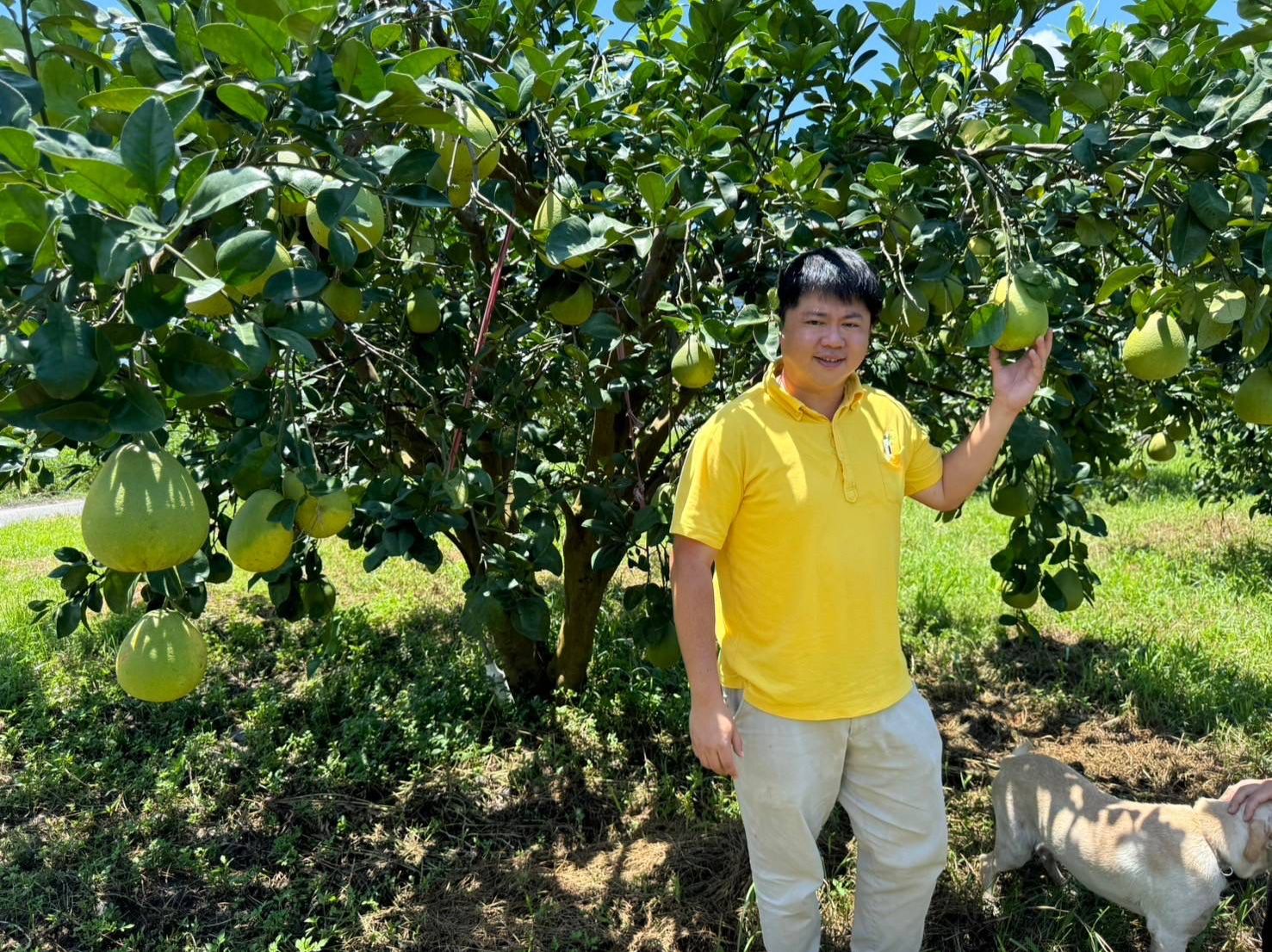
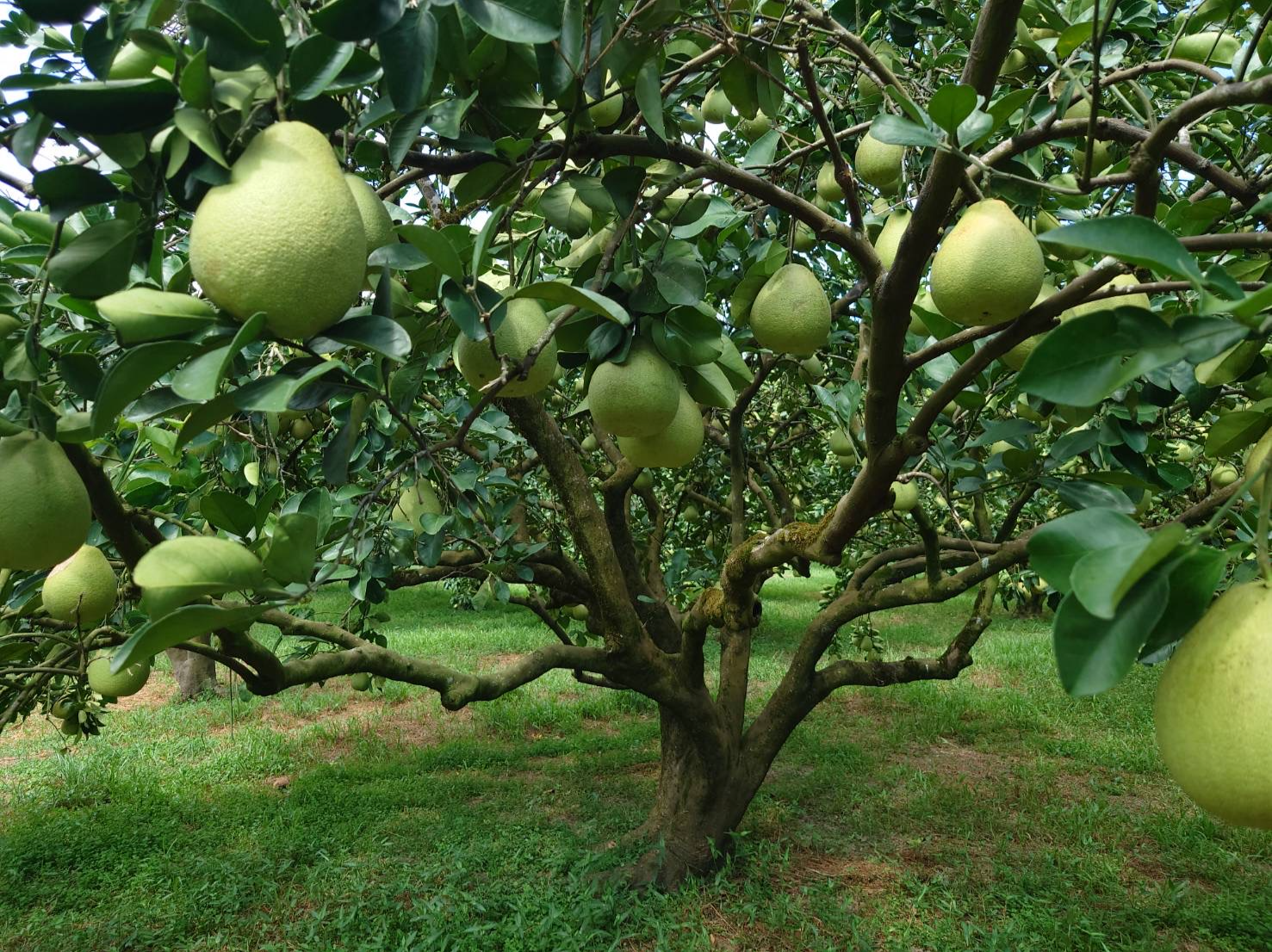
Wendan Pomelo
A gentle aroma and refined sweetness—a traditional Taiwanese citrus fruit essential for the Mid-Autumn Festival.
Taiwanese Wendan pomelo is a citrus fruit that has been cherished in Taiwan for generations and is especially indispensable as a gift during the Lunar Mid-Autumn Festival (equivalent to Japan’s moon-viewing celebration).
The rind is yellow-green and relatively thick, while the flesh inside is plump and tender, offering a mild sweetness with low acidity and a soft, delicate flavor.
The main growing regions are Madou in Tainan and Ruisui Township in Hualien.
The temperature differences between day and night, combined with fertile soil, nurture its subtle aroma and elegant taste.
Popular as an after-meal dessert or a premium gift, Wendan pomelo is a fruit rich in both natural blessings and traditional culture.
Its peel is easy to remove and the fruit is simple to enjoy, which has led to growing popularity in Japan in recent years.